

Sony Alpha a7 Series in India: a7 IV vs a7C vs a7R and Which Body Suits You
A plain comparison of the Sony a7 IV, a7C and a7R V by what you shoot, using the bodies currently in stock, with memory card advice.
12 October 2026
Share
For most buyers choosing between the Sony a7 IV, a7C and a7R V, the a7 IV is the best all-round body, the a7C is the pick for light travel kits, and the a7R V is for people who need 61MP resolution. All three are full-frame E-mount cameras with Sony's Real-time Eye AF. They differ in sensor resolution, video ceiling, stabilisation and size, so pick by what you shoot most.
This guide covers only the Sony full-frame bodies that are in stock at ShutterBuzz right now, with specs taken from the product pages. Sony models that are currently out of stock, such as the a7S III and a1, are left out on purpose, because a comparison you cannot act on is not much use.
The bodies in stock
- Sony a7 IV: 33MP hybrid camera, 4K 60p video, strong autofocus.
- Sony a7C: 24.2MP full-frame in a compact body built for everyday carry.
- Sony a7R V: 61MP resolution, AI subject recognition, 8K video.
- Sony a7 III: the older 24.2MP model, still listed in the store and covered briefly below.
The a7 IV and a7C are also sold as kits with a lens. If you do not own a standard zoom yet, a kit saves a separate purchase. Browse the full range in the mirrorless cameras collection.
Side by side
| Feature | a7 IV | a7C | a7R V |
|---|---|---|---|
| Sensor | 33MP Exmor R BSI CMOS | 24.2MP Exmor R BSI CMOS | 61.0MP Exmor R BSI CMOS |
| Processor | BIONZ XR | BIONZ X | BIONZ XR plus AI processing unit |
| Continuous shooting | Up to 10 fps | Up to 10 fps | Up to 10 fps |
| AF points | 759 phase-detection | 693 phase-detection | 693 phase-detection |
| Video | 4K 60p 10-bit (Super 35 crop), 4K 30p full width | Internal UHD 4K, full pixel readout | 8K 24p, 4K up to 60p 10-bit |
| Stabilisation | In-body (see Sony page for rating) | 5-axis, 5 stops | 5-axis, up to 8 stops |
| Cards | CFexpress Type A supported | Check Sony spec page | CFexpress Type A and SD UHS-I/II |
| Best for | Hybrid stills and video | Travel and light carry | Maximum detail |
Hybrid stills and video: the a7 IV
The a7 IV is the body most people should look at first. The 33MP sensor gives you room to crop without going into the file sizes of a 61MP camera. The product page lists a sensitivity range of ISO 100-51200 and roughly 15 stops of dynamic range.
For video, it records 4K 60p in 10-bit, though that mode uses a Super 35 crop. At 4K 30p it uses the full width of the sensor. S-Log3, S-Cinetone and HLG are all there. The product page also states that heat dissipation was improved, with more than one hour of continuous 4K 60p 10-bit 4:2:2 recording possible.
Autofocus uses 759 phase-detection points and works in both stills and video. Real-time Eye AF covers humans, animals and birds. For a wedding shooter who also delivers a highlight film, or a creator who posts both photos and video, this is the one-body answer.
Travel: the a7C
The a7C trades some features for size. It still has a full-frame 24.2MP sensor, 10 fps shooting, 693 phase-detection AF points and 5-stop in-body stabilisation. The store page lists approximately 740 shots per charge on the LCD with the NP-FZ100 battery.
If you carry a camera on trains, domestic flights or long days of walking, a smaller body gets used more often. The 4K video is solid for vlogs and travel films. Be honest about the limits, though. It uses the older BIONZ X processor and the page does not list 4K 60p, so a creator who wants high frame-rate 4K should look at the a7 IV instead.
The a7C is available as a body alone and with a 28-60mm kit lens. The kit lens is a sensible match for the small body.
High resolution: the a7R V
The a7R V is built around its 61.0 million effective pixels. It suits landscape, architecture, product and studio work where you print large or crop hard. Pixel Shift Multi Shooting can combine up to 16 images on a computer for even more resolution.
Its autofocus uses an AI processing unit. It recognises humans, animals, birds, insects, cars, trains and aeroplanes. The viewfinder is a 9.44 million-dot OLED and the stabilisation goes up to 8 stops according to the store page, which helps with slow-shutter interiors and night scenes.
It also shoots 8K 24p, with continuous 8K recording of around 30 minutes listed. Most buyers will not edit 8K, so treat that as a bonus rather than a reason to buy. Files are large, so plan for storage and a computer that can handle them.
Low light and heavy video work
If your main need is low-light video, the Sony a7S III is the model usually discussed, but it is not in stock at the moment, so we cannot recommend it here. Among current stock, the a7 IV is the stronger choice for low-light video because of its 10-bit 4K 60p and full-width 4K 30p modes. The a7R V can shoot in low light too, but its high-resolution sensor is not the natural fit for dim-light video work.
Where the a7 III fits
The a7 III uses a 24.2MP back-illuminated sensor, 693 AF points, 4K video from full-pixel readout, and the NP-FZ100 battery. It has dual card slots with one UHS-II slot. It lacks the newer processor, the 10-bit 4K 60p of the a7 IV and the newer AI-based subject recognition. If your budget is tight and your work is mostly stills, it is still a capable body. For new buyers planning to keep a camera for years, the a7 IV is the safer long-term choice.
Memory cards that match the body
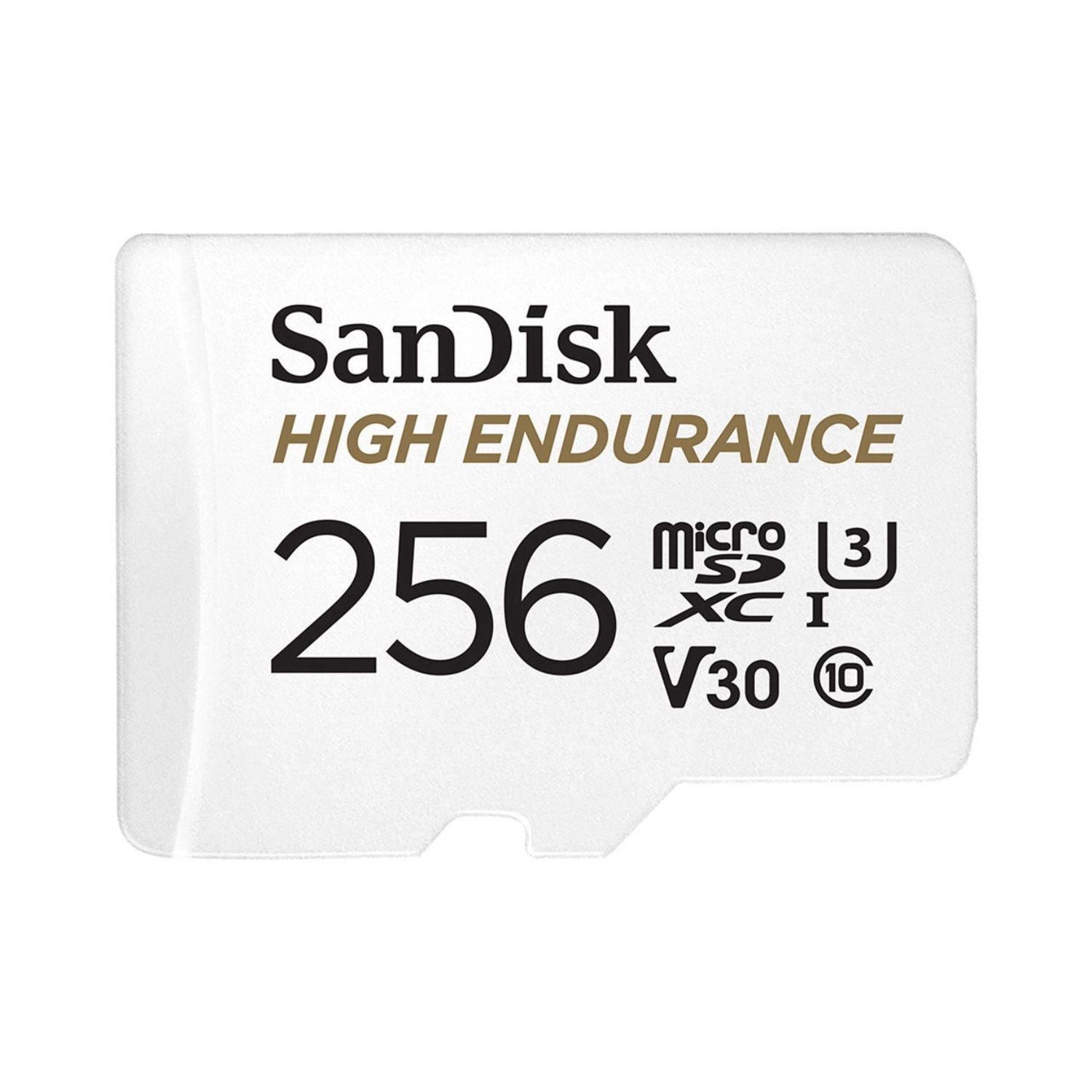
Do not pair a fast body with a slow card. For the a7 IV and a7R V, a CFexpress Type A card is worth considering. The a7 IV product page states that the buffer reaches 828 uncompressed raw plus JPEG frames with a CFexpress Type A card. The a7R V takes both CFexpress Type A and SD cards in its two slots.
The Lexar Professional 80GB CFexpress Type A Gold Series card is in stock and is rated for read speeds up to 900MB/s. If you shoot mostly stills in single bursts, an SD card is usually enough. Our memory card guide explains speed classes and how to choose capacity.
Which one should you buy?
- Shoot photos and video, one body: a7 IV.
- Travel light, vlog, street: a7C.
- Large prints, landscape, studio detail: a7R V.
- Stills on a tighter budget: a7 III.
Check lens needs before you decide. All of these use the E-mount, so lenses carry over between bodies. Spend on glass first if you are choosing between a mid-level body and a better lens.
Frequently asked questions
Is the Sony a7 IV worth buying over the a7 III?
If you shoot video, yes. The a7 IV adds 33MP, 10-bit 4K 60p and the newer BIONZ XR processor. For stills only, the a7 III is still a capable camera.
Is the a7C a good camera or a cut-down a7?
It has a full-frame 24.2MP sensor, 5-axis stabilisation and 10 fps shooting in a smaller body. It suits travel and everyday carry, but it is not the best choice for high frame-rate 4K.
Do I need the a7R V for wedding work?
Usually not. The a7 IV's 33MP and hybrid video features suit weddings well. The a7R V makes sense if you print very large or crop heavily.
Which memory card should I buy for the a7 IV?
An SD card works for general use, and a CFexpress Type A card helps with long bursts and high-bitrate video. Read the memory card guide before you buy.
Are these bodies sold with the India warranty?
Check the warranty details on each product page before ordering, since terms can differ between listings.